Explore Cheap Europe

Budget travel guides for seeing more of Europe for less

BOARDING PASS

YOU → EUROPE

CLASS: BUDGET · GATE: ANYWHERE

See more of Europe for less.

Author: admin

  • Free Walking Tours in Europe: How They Work and How Much to Tip

    Free Walking Tours in Europe: How They Work and How Much to Tip

    One of the best-value things you can do in a new city is join a free walking tour. In just a few hours a local guide shows you the main sights, shares stories and gives you tips on where to eat and what to skip. Free walking tours in Europe run in most major cities, and they’re perfect for budget travellers.

    Here’s how they work, how much to tip, how to book and how to get the most out of them.

    How Do Free Walking Tours Work?

    Most free walking tours work on a pay-what-you-want model. There is no fixed ticket price; instead, you tip the guide at the end based on how much you enjoyed it. Guides are usually locals or long-term residents, and tips are how they earn a living, so tipping is expected.

    • Tours usually last about 2 to 3 hours
    • They cover a city’s old town and main landmarks
    • Many cities offer extra themed tours, such as food, street art or history
    • Tours run in English, and often in other languages too

    How Much Should You Tip?

    There is no fixed amount. As a rough guide, many travellers tip somewhere around €5 to €15 per person in Western Europe, often a little less in cheaper countries. Tip more if the guide was excellent. These amounts are estimates, so adjust them to your budget and the local cost of living.

    Tour typeTypical lengthGood for
    Old town highlights2 to 3 hoursFirst day in a city
    History tours2 hoursUnderstanding the city’s past
    Street art or alternative tours2 to 3 hoursSeeing a different side of a city
    Food tours (often paid)3 hoursTasting local dishes
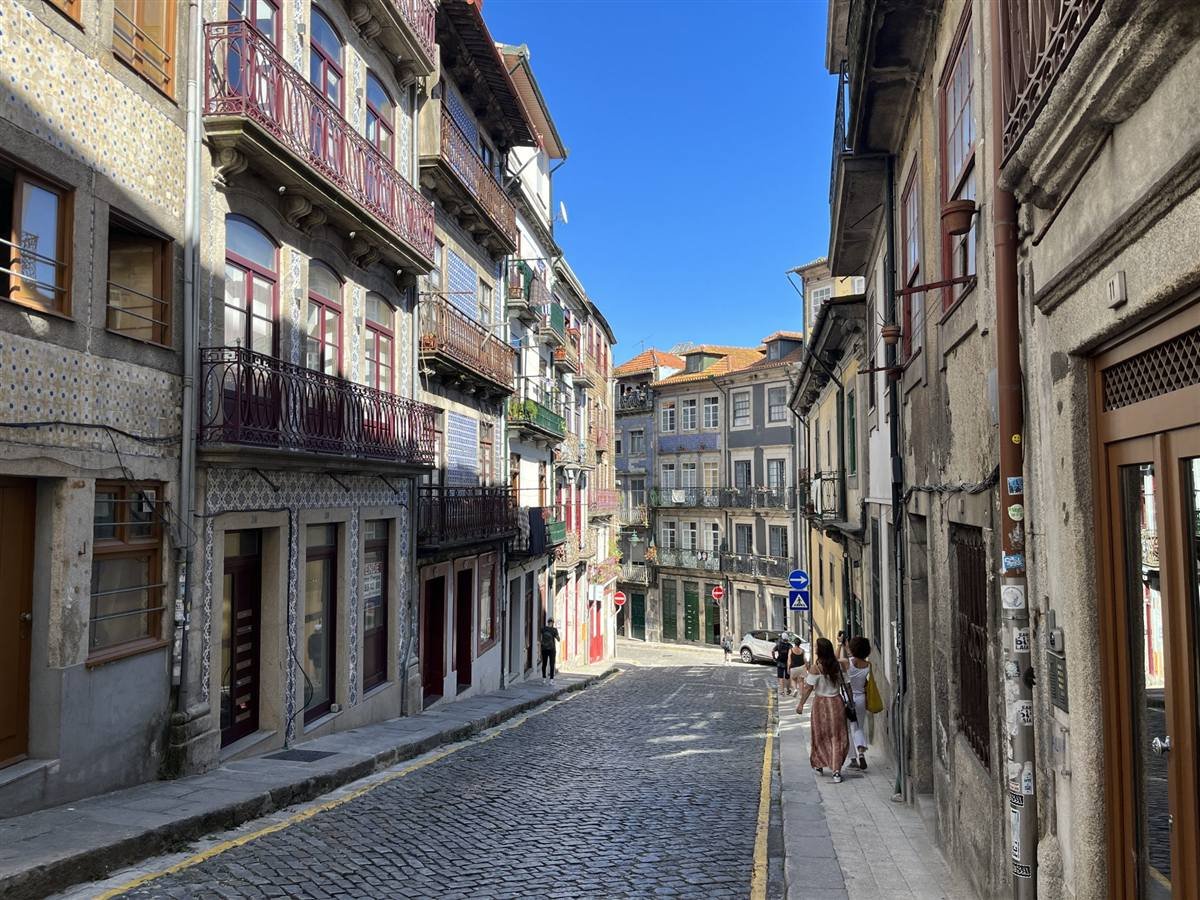
    Cobbled old town street in Porto, ideal for free walking tours in Europe
    Old towns are perfect for exploring on foot.

    How to Book a Free Walking Tour

    1. Search for “free walking tour” plus the city name.
    2. Compare a few companies and read recent reviews.
    3. Book a free spot online; it’s usually required in busy seasons.
    4. Note the meeting point, often in a main square, and the guide’s sign or umbrella colour.
    5. Arrive 10 minutes early with water, comfortable shoes and cash for the tip.

    Best Cities for Free Walking Tours

    Free walking tours are available in most popular European cities. They’re especially good value in places like Prague, Budapest, Krakow, Berlin, Lisbon, Porto and Seville. If you’re visiting Prague, combine a tour with our list of free things to do in Prague, and in Hungary see Budapest on a budget.

    Traveler looking out over Seville on a city walk
    Ask your guide for viewpoint and food tips.

    Tips to Get the Most From Your Tour

    • Take a tour on your first day to learn the layout of the city.
    • Ask your guide for cheap places to eat and local tips.
    • Bring a refillable water bottle and sun protection in summer.
    • Wear comfortable walking shoes; old towns often have cobbles.
    • Keep small notes or coins ready for the tip.
    • Watch your bag in busy squares.

    Are Free Walking Tours Worth It?

    For most budget travellers, yes. You get local knowledge and a great overview of a city for the price of a tip. Pair tours with cheap transport and accommodation to keep costs low. See our guides to cheap accommodation in Europe and Eastern Europe on a budget.

    Free Walking Tours in Europe: FAQ

    Are free walking tours really free?

    You don’t pay a fixed price, but guides rely on tips, so plan to tip at the end.

    Do I need to book in advance?

    Booking is recommended, especially in summer, and some tours limit group sizes.

    Can I leave a tour early?

    Yes, but tell the guide and leave a small tip for the time you joined.

    Planning your packing too? Check our budget Europe packing list.

    Plan a Cheap Europe Trip

    Money-saving tips for every part of your trip.
  • How to Find Cheap Flights in Europe

    How to Find Cheap Flights in Europe

    Low-cost airlines have made it possible to cross Europe quickly for little money. But finding genuinely cheap flights in Europe means looking beyond the headline fare. Here’s how to find low prices and avoid the extra fees that catch many travellers out.

    How to Find Cheap Flights in Europe

    1. Be flexible with dates: midweek flights are often cheaper.
    2. Compare nearby airports: a different city can be much cheaper.
    3. Set price alerts on routes you’re watching.
    4. Book at the right time: not too early, not last minute, for most routes.
    5. Check the airline’s own website as well as search engines.
    6. Travel with hand luggage only where possible.

    Understand the Real Cost

    ExtraHow to avoid or reduce it
    Larger cabin bagPack a small under-seat bag
    Checked bagTravel light or share a bag
    Seat selectionAccept a random seat
    Airport check-in feesCheck in online in advance
    Airport transfersCheck transfer costs to remote airports
    Food and drinkBring snacks from home

    Add every extra to the fare before you compare. A flight that looks cheap can end up costing more than a train once bags and transfers are included.

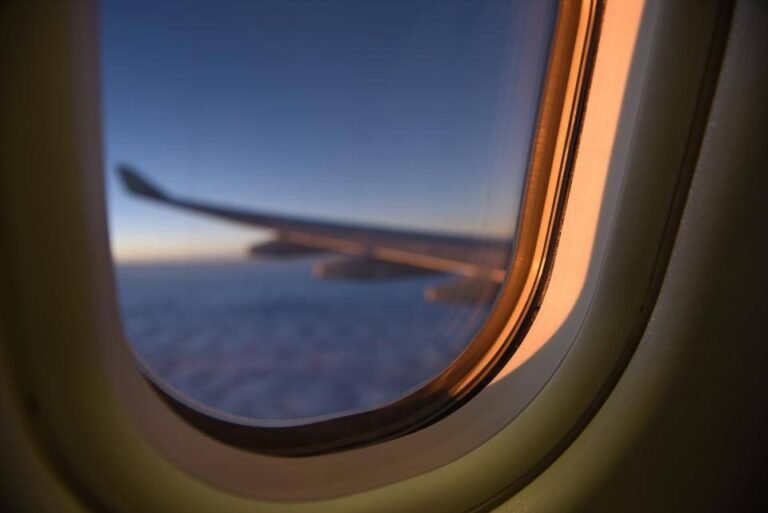
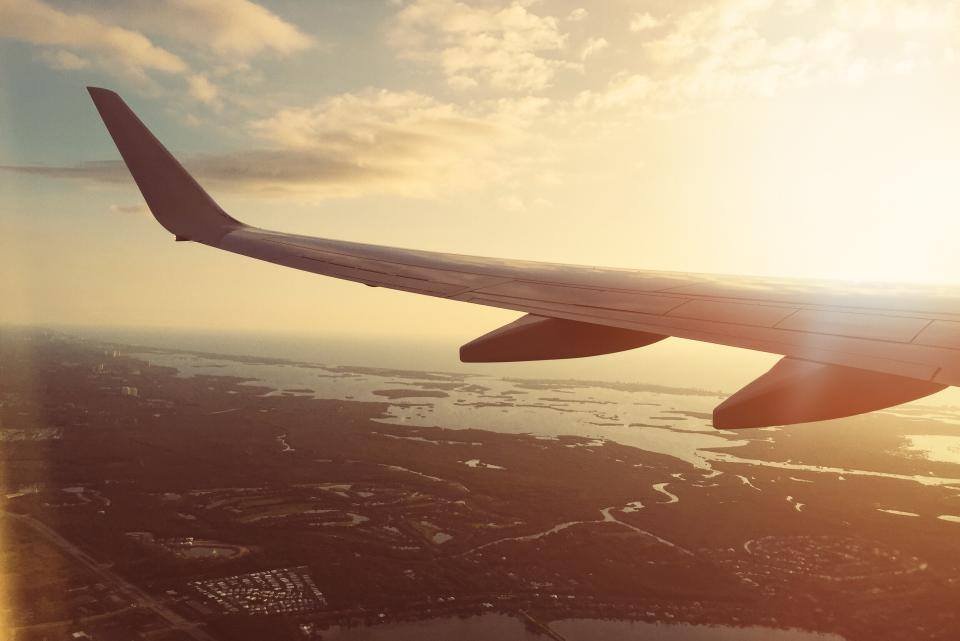
    View from a plane window when booking cheap flights in Europe
    Window seats often cost extra; random seats are usually free.

    Flights vs Trains vs Buses

    Fly

    Best for long distances, such as Lisbon to Krakow.

    Train

    Often better door to door for distances up to several hours.

    Bus

    Usually the cheapest for shorter routes.

    Trains go from city centre to city centre, with no security queues, which can make them faster overall on medium routes. Compare all options in our transport guide.

    Smart Booking Habits

    • Search in a private browser window if you prefer
    • Double-check names match your passport exactly
    • Read baggage rules before paying
    • Screenshot confirmations and boarding passes
    • Arrive early at smaller airports with long queues

    Cheap Flights in Europe Checklist

    • Flexible dates and airports
    • Hand luggage only
    • Online check-in done
    • Transfer costs added
    • Snacks and refillable bottle packed

    Travel Rights

    Air passengers in the EU have rights if flights are delayed or cancelled in certain situations. The EU Your Europe travel guide explains these rights. Also check entry rules on the official EU entry requirements page (EES / ETIAS) before you fly.

    Pack light with our Europe packing list, and plan your route with our budget itineraries.

    When Flying Makes the Most Sense

    Cheap flights in Europe are most useful for long distances or crossing water, such as from Portugal to Poland, from the mainland to the islands, or from the UK to Southern Europe. For journeys of a few hours by train or bus, overland travel is often similar in price and avoids airport transfers and security queues.

    Common Booking Mistakes

    • Comparing fares without adding bag fees
    • Forgetting the cost of reaching a distant airport
    • Booking a flight that lands late at night with no public transport
    • Not checking that the airport is near your destination city
    • Missing online check-in deadlines

    Avoid these and cheap flights in Europe can be a genuinely great deal.

    Getting To and From the Airport

    Before booking, look up how you’ll reach the airport and how much it costs. Many European airports have direct trains or airport buses that are far cheaper than taxis. Some budget airline airports are an hour or more from the city they’re named after, so factor in the time and cost of the transfer, especially for early morning or late-night flights.

    Cheap Flights in Europe FAQ

    When is the cheapest time to fly in Europe?

    Midweek and off-peak seasons are often cheaper than weekends and school holidays.

    Are budget airlines safe?

    Airlines operating in Europe must meet safety rules. Budget carriers save money on service and extras, not on safety requirements.

    Is it cheaper to book flights or trains?

    It depends on the distance and how early you book. Compare both, including bags and transfers.

    Compare Every Way to Travel

    Buses, trains, passes and flights side by side.

    Read the transport guide

  • The Budget Europe Packing List

    The Budget Europe Packing List

    Packing light is one of the best money-saving decisions you can make. A good Europe packing list helps you avoid baggage fees, move easily between trains and buses, and still have everything you need.

    Choose the Right Bag

    A carry-on sized backpack is ideal for budget travel. It fits under or above seats, avoids checked bag fees on many airlines and is easy to carry up stairs and cobbled streets. Check the size limits of any airline you plan to use, as they vary.

    The Essential Europe Packing List

    CategoryPack this
    DocumentsPassport or ID, cards, copies of documents, travel insurance details
    ClothesLayers, a light waterproof jacket, comfortable walking shoes
    ToiletriesTravel-size basics in a clear bag
    TechPhone, charger, universal adapter, power bank
    Hostel kitPadlock, earplugs, eye mask, quick-dry towel, flip-flops
    ExtrasReusable water bottle, tote bag, small first-aid kit

    Clothes: Less Is More

    • Pack for about a week and do laundry
    • Choose clothes that mix and match
    • Bring layers rather than bulky items
    • Wear your heaviest shoes and jacket when travelling
    • Pack one smarter outfit for evenings
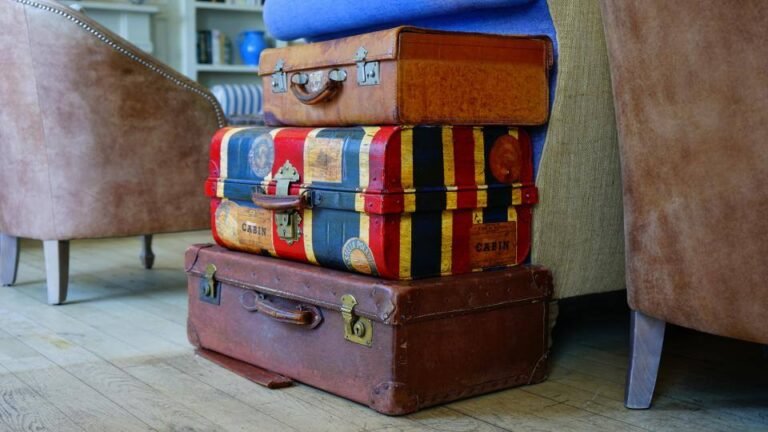
    Suitcases, from a Europe packing list guide
    Choose one bag you can carry comfortably.

    Packing for Different Seasons

    Summer

    Light breathable clothes, sun hat, sunscreen and a refillable bottle.

    Shoulder Season

    Layers, a light waterproof and a warm mid-layer.

    Winter

    Warm coat, hat, gloves and waterproof shoes.

    What Not to Pack

    • Too many shoes
    • Full-size toiletries
    • Valuables you don’t need
    • Heavy guidebooks: use offline maps instead
    • Clothes for every possible occasion

    Europe Packing List Checklist

    • Passport or ID and copies
    • Bank cards and a little cash
    • Phone, charger and adapter
    • Comfortable shoes
    • Light rain jacket
    • Hostel kit
    • Refillable water bottle

    Liquids and Security

    Airport security rules for liquids in hand luggage vary and can change. Pack toiletries in small containers inside a clear bag, and check the rules for the airports you’ll use before you fly.

    Packing light saves money on flights and makes every journey easier. Read our guides to cheap flights in Europe and cheap ways to travel around Europe.

    Europe Packing List by Trip Type

    TripFocus on
    City breakComfortable shoes, day bag, one smart outfit
    Backpacking routeQuick-dry clothes, hostel kit, laundry bag
    Winter tripWarm layers, waterproof shoes, hat and gloves
    Beach and islandsSwimwear, sun protection, sandals

    Packing Tips for Hostels and Trains

    • Use packing cubes to find things quickly in dorms
    • Keep valuables in a small bag you can carry on board
    • Pack a light scarf or layer for cold trains and buses
    • Carry snacks and a refillable bottle for long journeys
    • Label your bag in case it gets mixed up

    A smart Europe packing list saves money, time and stress on every leg of your trip.

    Doing Laundry on the Road

    Packing light only works if you can wash clothes easily. Many hostels have washing machines or laundry services, and self-service laundrettes are common in European cities. A small bottle of travel wash lets you rinse essentials in a sink, and quick-dry fabrics are ready by morning. Plan a laundry stop about once a week and you’ll never need to pack more than a week’s worth of clothes.

    Europe Packing List FAQ

    Can I travel Europe with just a carry-on?

    Yes. Many budget travellers do, especially with laundry stops along the way.

    What shoes should I bring?

    One pair of comfortable walking shoes, plus sandals or flip-flops for warm weather and hostels.

    Do I need a plug adapter?

    Most of mainland Europe uses the same two-pin plugs, but the UK and Ireland use a different type. A universal adapter covers both.

    Find Cheap Flights

    How to find low fares and avoid extra fees.

    Read the flights guide

  • Budapest on a Budget: The Complete Guide

    Budapest on a Budget: The Complete Guide

    Budapest on a budget is easy and rewarding. The Hungarian capital offers grand architecture, thermal baths, river views and a famous nightlife scene, with plenty of free sights and good-value food.

    Free and Cheap Things to Do

    ExperienceCostTip
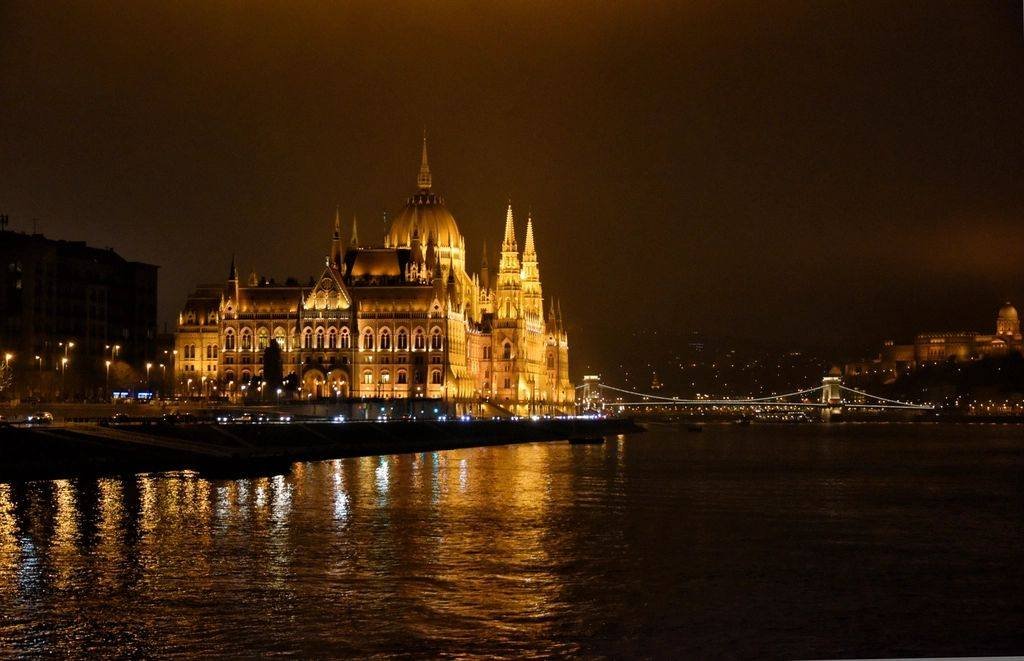
    Walk the Danube promenadeFreeBest at night when the Parliament is lit
    Shoes on the Danube Bank memorialFreeA moving, quiet place to reflect
    Buda Castle districtFree to wanderSome museums charge entry
    Fisherman’s Bastion viewsPartly freeParts of the upper terraces may charge at certain times
    Gellert Hill viewpointFreeClimb for sunset views
    Margaret IslandFreeParks, gardens and running paths
    Great Market HallFree to browseTry local snacks upstairs
    Thermal bathsPaidVisit on a weekday for fewer crowds

    Opening rules and fees change; check current information before you visit.

    Budapest Parliament by day, a free sight for Budapest on a budget
    Admiring the Parliament from the river costs nothing.

    Getting Around Budapest

    Budapest has trams, buses and a metro, and a travel card or day pass can be good value if you’ll ride several times a day. Tram line 2 along the Pest riverbank is a scenic ride past many famous sights. Much of the centre is also easy to explore on foot.

    Thermal Baths on a Budget

    • Visit on weekdays for fewer crowds
    • Compare prices between baths; some are cheaper than the most famous ones
    • Bring your own towel and flip-flops to avoid rental fees
    • Go for an evening session if it’s offered

    Eating Cheaply

    Lunch Menus

    Many local restaurants offer set lunch menus.

    Market Food

    Try local specialities at food halls and markets.

    Bakeries

    A cheap, filling breakfast on the go.

    Where to Stay

    Hostels and guesthouses in districts close to public transport offer good value. Staying slightly outside the busiest party streets can mean quieter nights. See our guide to cheap accommodation in Europe.

    Budapest on a Budget Checklist

    • Walk the river at night
    • Choose a weekday bath visit
    • Buy a travel card if you’ll ride often
    • Eat lunch-menu meals
    • Pay in the local currency, the forint

    Money Tips

    Hungary uses the forint. Use bank ATMs, avoid street exchange booths with poor rates and choose to be charged in forints when paying by card. Many places accept cards, but carry a little cash for small purchases.

    Combine Budapest with Prague and Krakow in our Central Europe route, or read about free things to do in Prague.

    A 3-Day Itinerary

    1. Day 1: Pest side: Parliament from the river, the Shoes on the Danube Bank, Great Market Hall, evening river walk.
    2. Day 2: Buda side: Castle district, Fisherman’s Bastion views, Gellert Hill at sunset.
    3. Day 3: A weekday morning at a thermal bath, then Margaret Island and a lunch-menu meal.

    This plan keeps Budapest on a budget by mixing free sights with one carefully chosen paid experience.

    Easy Day Trips

    Riverside towns along the Danube Bend, such as Szentendre, make easy and affordable day trips by local train, bus or seasonal boat. They’re a pleasant change of pace from the city and a great way to see more of Hungary on a budget.

    Budapest on a Budget FAQ

    How many days do I need in Budapest?

    Three days covers the main sights, a bath visit and some time to relax.

    Is Budapest cheap to visit?

    It’s generally good value compared with many Western European capitals, especially for food and transport.

    What is free to do in Budapest?

    River walks, the castle district, Gellert Hill, Margaret Island and browsing the Great Market Hall are all free.

    Explore More of Eastern Europe

    Eight affordable cities and a two-week route.

    Read the Eastern Europe guide

  • 12 Free Things to Do in Prague

    12 Free Things to Do in Prague

    Prague is one of Europe’s most beautiful cities, and many of its best experiences cost nothing at all. Here are 12 free things to do in Prague, from famous bridges and castle courtyards to quiet parks with the best views in the city.

    12 Free Things to Do in Prague

    ExperienceAreaBest time
    Walk across the Charles BridgeOld Town to Mala StranaSunrise
    Watch the Astronomical Clock showOld Town SquareOn the hour
    Explore Prague Castle courtyardsHradcanyMorning
    See the changing of the guardPrague CastleCheck times locally
    Wander Mala Strana’s lanesLesser TownAfternoon
    Visit the John Lennon WallMala StranaAny time
    Relax on Kampa IslandMala StranaAfternoon
    Climb Petrin Hill on footPetrinLate afternoon
    Explore Vysehrad fortress groundsVysehradSunset
    Enjoy views from Letna ParkLetnaSunset
    Stroll Wenceslas SquareNew TownEvening
    Picnic in Riegrovy SadyVinohradySunset

    Some buildings inside the castle complex, museums and towers charge entry. The experiences listed here can be enjoyed without a ticket, but always check current access rules.

    Free Things to Do in Prague’s Old Town

    Start at Old Town Square, watch the Astronomical Clock’s short hourly show, then wander the narrow streets towards the river. Many churches and courtyards can be admired from outside, and the Jewish Quarter’s streets are atmospheric to walk, although its synagogues and museums require tickets.

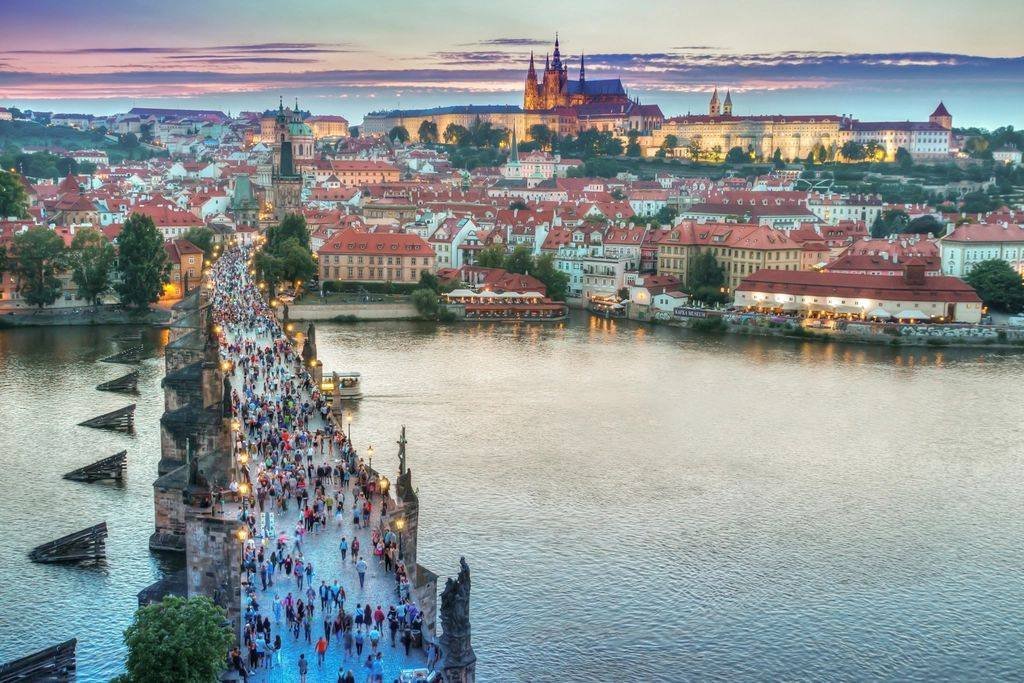
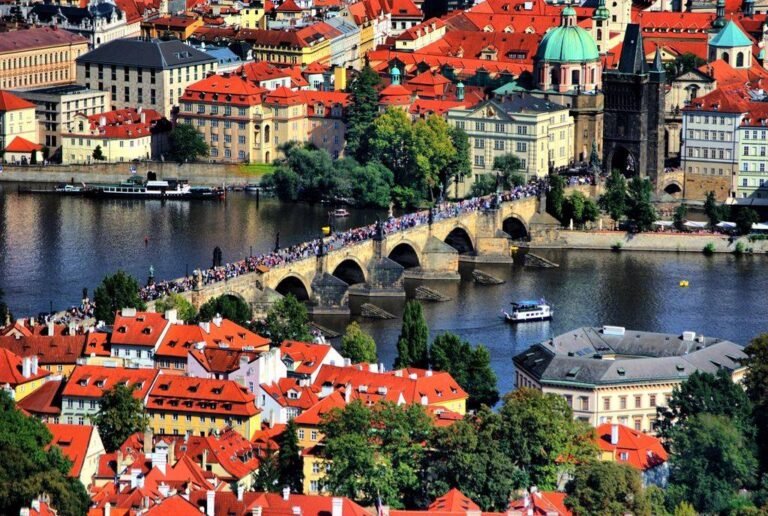
    Red roofs and Charles Bridge, among the best free things to do in Prague
    The views over the rooftops are free from many viewpoints.

    Free Views Over the City

    Letna Park

    A wide view of the river and bridges, especially at sunset.

    Petrin Hill

    Walk up through orchards and gardens for city views.

    Vysehrad

    Fortress walls with river views and fewer crowds.

    A Free Day in Prague Itinerary

    1. Sunrise on the Charles Bridge
    2. Breakfast picnic on Kampa Island
    3. Walk up to the Prague Castle courtyards
    4. Lunch at a local eatery away from the main squares
    5. Afternoon in Mala Strana and the John Lennon Wall
    6. Sunset from Letna Park

    Saving Money in Prague

    • Eat at lunch-menu restaurants away from Old Town Square
    • Use public transport day passes if you’ll ride several times
    • Join a tip-based walking tour
    • Carry a refillable water bottle
    • Check exchange rates and avoid street exchangers

    Best Time to Visit

    Spring and autumn offer pleasant weather and fewer crowds. Early mornings are the best time for the Charles Bridge and castle area at any time of year. December brings festive markets, which are free to wander.

    Prague fits perfectly into a Central Europe route. See our Eastern Europe on a budget guide and the budget itineraries.

    Free Things to Do in Prague at Night

    • See the Charles Bridge and castle lit up from the riverbank
    • Walk through a quieter Old Town Square after dinner
    • Watch the city lights from Letna Park
    • Stroll along the embankments in Mala Strana

    Free Things to Do in Prague With Kids

    Children love the Astronomical Clock show, the swans along the Vltava river, the playgrounds on Kampa Island and climbing Petrin Hill through its gardens. Parks such as Letna and Riegrovy Sady have plenty of space to run around, making them easy, free family stops between paid attractions.

    With so many free things to do in Prague, you can enjoy the city fully while saving your budget for a few special experiences.

    Free Things to Do in Prague FAQ

    Is Prague Castle free?

    You can walk the castle courtyards and grounds for free, but entering many of the main buildings requires a ticket.

    Is Prague expensive for tourists?

    It can be around the main squares, but eating and staying a little further out keeps costs low.

    How many days do I need in Prague?

    Three days lets you enjoy the main sights at a relaxed pace.

    Continue to Budapest

    A complete guide to Budapest on a budget.

    Read the Budapest guide

  • Interrail Tips: How to Save Money With a Rail Pass

    Interrail Tips: How to Save Money With a Rail Pass

    A rail pass can be a great way to explore Europe by train, but only if you use it well. These Interrail tips explain how passes work, when they’re worth it and how to avoid the most common extra costs.

    Interrail passes are for European citizens and residents. If you live outside Europe, the equivalent is the Eurail pass, which works in a similar way.

    How Interrail Passes Work

    • Global Pass: travel in many countries
    • One Country Pass: travel within a single country
    • Travel days: flexible passes give a set number of travel days within a longer period
    • Continuous passes: unlimited travel for a set number of consecutive days

    Passes, prices and rules change, so always check the official Interrail website for current details.

    Is a Rail Pass Worth It?

    A pass often suits you if…Single tickets may be cheaper if…
    You’ll take several long train journeysYou’re visiting only two or three cities
    You want flexibility to change plansYou can book fixed dates early
    You’re travelling in peak seasonMost of your trips are short regional hops

    10 Interrail Tips That Save Money

    1. Add up the cost of single tickets for your route before buying a pass
    2. Use your pass mainly for long, expensive journeys
    3. Buy cheap regional tickets for short trips instead of using a travel day
    4. Check which trains need paid seat reservations
    5. Book reservations early for popular high-speed and night trains
    6. Use the official app to plan journeys and show your pass
    7. Mix trains with cheap buses where the train is slow
    8. Take night trains to save on accommodation
    9. Check age-based discounts for youth and seniors
    10. Read the rules for travel days that start in the evening
    Train station platform, useful for Interrail tips
    Seat reservations are needed on some trains.

    Seat Reservations Explained

    Many regional trains need no reservation, but most high-speed trains, many international routes and night trains require a paid reservation on top of your pass. In some countries these fees are higher, and on popular routes they can sell out. Plan ahead and factor these costs into your budget.

    Packing for a Rail Trip

    Travel Light

    Carry a bag you can lift onto racks easily.

    Snacks and Water

    Station food is often pricey.

    Offline Maps

    Download maps and tickets before you board.

    Interrail Tips Checklist

    • Compare pass vs single tickets
    • Choose flexible or continuous
    • List trains needing reservations
    • Download the official app
    • Save offline copies of bookings
    • Plan cheap buses for slow train routes

    For more ways to get around, read our guide to cheap ways to travel around Europe, and see our budget itineraries for route ideas.

    Interrail Tips for Night Trains

    Night trains turn travel time into sleep time and save a night’s accommodation. Most need a reservation for a seat, couchette or sleeper berth, and the reservation price depends on the comfort level. Check how your pass counts travel days for journeys that start in the evening, as special rules often apply. Bring snacks, water, earplugs and a light layer for the journey.

    Common Mistakes to Avoid

    • Buying a pass for a short trip with few train journeys
    • Forgetting to activate the pass before the first journey
    • Using a travel day on a cheap short hop
    • Assuming every train is included without a reservation
    • Not checking strike or engineering work notices

    Following these Interrail tips helps you get the full value from your pass and avoid surprises on the platform.

    Interrail Tips FAQ

    Who can buy an Interrail pass?

    European citizens and residents. Non-European residents can use a Eurail pass instead.

    Do I need seat reservations with Interrail?

    On many high-speed, international and night trains, yes. Regional trains usually don’t need them.

    Can I use buses with an Interrail pass?

    Generally no. The pass covers participating trains, plus some ferries and discounts. Check current inclusions.

    Plan a Train-Friendly Route

    Four budget routes that work well by rail and bus.

    See budget itineraries

  • Eastern Europe on a Budget: The Complete Guide

    Eastern Europe on a Budget: The Complete Guide

    Travelling Eastern Europe on a budget is one of the best-value trips you can take. Medieval old towns, mountain scenery, lively food scenes and thousands of years of history, often for much less than you’d spend further west.

    This guide covers where to go, how to get around, where to stay and how to keep daily costs low.

    Why Eastern Europe Is Great Value

    • Everyday costs for food, transport and beds are often lower than in Western Europe
    • Cities are compact and walkable
    • Buses and trains link many capitals
    • Fewer crowds in many places outside peak season

    Best Cities for Eastern Europe on a Budget

    CityCost levelDon’t miss
    SofiaVery lowVitosha mountain day trip
    BucharestVery lowGrand boulevards and parks
    BelgradeVery lowFortress views over two rivers
    KrakowLowOld Town and Kazimierz
    BudapestLowThermal baths and river walks
    RigaLowArt nouveau streets
    VilniusLowBaroque old town
    PragueLow to mediumCharles Bridge at sunrise

    Cost levels are a general comparison, not exact prices. Always check current costs before you book.

    A Sample Two-Week Route

    1. Days 1 to 3: Prague
    2. Days 4 to 6: Krakow
    3. Days 7 to 9: Budapest
    4. Days 10 to 12: Belgrade
    5. Days 13 to 14: Sofia

    Buses and trains connect each stop. See our full budget itineraries for more route ideas.

    Food market, a cheap way to eat when travelling Eastern Europe on a budget
    Markets are perfect for cheap, fresh meals.

    Getting Around

    Long-distance buses are usually the cheapest option between cities, with trains on many main routes. Night trains and buses can save on accommodation. Compare options in our transport guide.

    Money and Currencies

    Several countries in Eastern Europe use their own currencies rather than the euro. Check which currency each country uses before you go, use a card with low foreign transaction fees and withdraw from bank ATMs rather than street exchange booths. Always choose to pay in the local currency when a card machine asks.

    Where to Stay

    Hostels

    Social, central and often excellent value.

    Guesthouses

    Quiet, local and great in smaller towns.

    Apartments

    Good for groups who want to cook.

    Eating Well for Less

    • Try daily lunch menus at local restaurants
    • Look for bakeries and street food stalls
    • Shop at markets for picnic supplies
    • Ask locals for their favourite cheap spots

    Before You Go

    Entry rules can differ between countries, especially outside the EU. Check the official EU entry requirements page (EES / ETIAS) and your government’s travel advice, such as the UK foreign travel advice, for every country on your route.

    Safety Tips

    Many Eastern European cities are popular with visitors and feel safe. As anywhere, watch for pickpockets in crowded areas, use official taxis or ride apps and keep copies of your documents.

    Best Time to Visit

    Late spring and early autumn are ideal for Eastern Europe on a budget: pleasant weather, lower accommodation prices and fewer tour groups than midsummer. Winter is cold but often very cheap, with festive markets in many cities in December. Summer brings long days and outdoor life, but book beds early in popular cities.

    Cheap Day Trips

    • Mountain hikes near Sofia
    • Salt mines and countryside near Krakow
    • Riverside towns on the Danube Bend near Budapest
    • Seaside towns along the Baltic coast near Riga
    • Castles and villages within an hour of most capitals

    Regional buses and trains make day trips easy and cheap, adding variety to Eastern Europe on a budget without extra hotel costs.

    Eastern Europe on a Budget FAQ

    What is the cheapest country in Eastern Europe?

    Countries in the Balkans, such as Bulgaria, Serbia and Albania, are often among the most affordable. Costs vary by city and season.

    How long should I spend in Eastern Europe?

    Two weeks is enough for four or five cities at a relaxed pace.

    Is Eastern Europe good for first-time travellers?

    Yes. Good transport, friendly hostels and lower costs make it a great first trip.

    See the Cheapest Places in Europe

    Compare 12 budget-friendly cities side by side.

    Open the destination guide