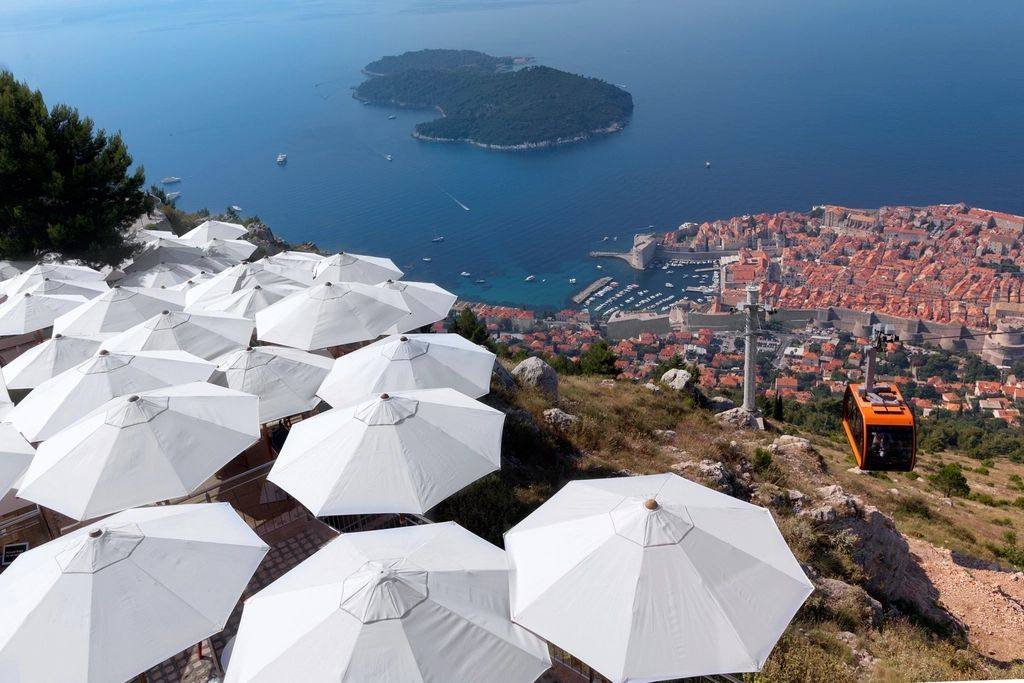
Travelling Eastern Europe on a budget is one of the best-value trips you can take. Medieval old towns, mountain scenery, lively food scenes and thousands of years of history, often for much less than you’d spend further west.
This guide covers where to go, how to get around, where to stay and how to keep daily costs low.
Table of Contents
Why Eastern Europe Is Great Value
- Everyday costs for food, transport and beds are often lower than in Western Europe
- Cities are compact and walkable
- Buses and trains link many capitals
- Fewer crowds in many places outside peak season
Best Cities for Eastern Europe on a Budget
| City | Cost level | Don’t miss |
|---|---|---|
| Sofia | Very low | Vitosha mountain day trip |
| Bucharest | Very low | Grand boulevards and parks |
| Belgrade | Very low | Fortress views over two rivers |
| Krakow | Low | Old Town and Kazimierz |
| Budapest | Low | Thermal baths and river walks |
| Riga | Low | Art nouveau streets |
| Vilnius | Low | Baroque old town |
| Prague | Low to medium | Charles Bridge at sunrise |
Cost levels are a general comparison, not exact prices. Always check current costs before you book.
A Sample Two-Week Route
- Days 1 to 3: Prague
- Days 4 to 6: Krakow
- Days 7 to 9: Budapest
- Days 10 to 12: Belgrade
- Days 13 to 14: Sofia
Buses and trains connect each stop. See our full budget itineraries for more route ideas.

Getting Around
Long-distance buses are usually the cheapest option between cities, with trains on many main routes. Night trains and buses can save on accommodation. Compare options in our transport guide.
Money and Currencies
Several countries in Eastern Europe use their own currencies rather than the euro. Check which currency each country uses before you go, use a card with low foreign transaction fees and withdraw from bank ATMs rather than street exchange booths. Always choose to pay in the local currency when a card machine asks.
Where to Stay
Hostels
Social, central and often excellent value.
Guesthouses
Quiet, local and great in smaller towns.
Apartments
Good for groups who want to cook.
Eating Well for Less
- Try daily lunch menus at local restaurants
- Look for bakeries and street food stalls
- Shop at markets for picnic supplies
- Ask locals for their favourite cheap spots
Before You Go
Entry rules can differ between countries, especially outside the EU. Check the official EU entry requirements page (EES / ETIAS) and your government’s travel advice, such as the UK foreign travel advice, for every country on your route.
Safety Tips
Many Eastern European cities are popular with visitors and feel safe. As anywhere, watch for pickpockets in crowded areas, use official taxis or ride apps and keep copies of your documents.
Best Time to Visit
Late spring and early autumn are ideal for Eastern Europe on a budget: pleasant weather, lower accommodation prices and fewer tour groups than midsummer. Winter is cold but often very cheap, with festive markets in many cities in December. Summer brings long days and outdoor life, but book beds early in popular cities.
Cheap Day Trips
- Mountain hikes near Sofia
- Salt mines and countryside near Krakow
- Riverside towns on the Danube Bend near Budapest
- Seaside towns along the Baltic coast near Riga
- Castles and villages within an hour of most capitals
Regional buses and trains make day trips easy and cheap, adding variety to Eastern Europe on a budget without extra hotel costs.
Keep Reading
Eastern Europe on a Budget FAQ
What is the cheapest country in Eastern Europe?
Countries in the Balkans, such as Bulgaria, Serbia and Albania, are often among the most affordable. Costs vary by city and season.
How long should I spend in Eastern Europe?
Two weeks is enough for four or five cities at a relaxed pace.
Is Eastern Europe good for first-time travellers?
Yes. Good transport, friendly hostels and lower costs make it a great first trip.
See the Cheapest Places in Europe
Compare 12 budget-friendly cities side by side.