Explore Cheap Europe

Budget travel guides for seeing more of Europe for less

BOARDING PASS

YOU → EUROPE

CLASS: BUDGET · GATE: ANYWHERE

See more of Europe for less.

Category: Planning

  • The Budget Europe Packing List

    The Budget Europe Packing List

    Packing light is one of the best money-saving decisions you can make. A good Europe packing list helps you avoid baggage fees, move easily between trains and buses, and still have everything you need.

    Choose the Right Bag

    A carry-on sized backpack is ideal for budget travel. It fits under or above seats, avoids checked bag fees on many airlines and is easy to carry up stairs and cobbled streets. Check the size limits of any airline you plan to use, as they vary.

    The Essential Europe Packing List

    CategoryPack this
    DocumentsPassport or ID, cards, copies of documents, travel insurance details
    ClothesLayers, a light waterproof jacket, comfortable walking shoes
    ToiletriesTravel-size basics in a clear bag
    TechPhone, charger, universal adapter, power bank
    Hostel kitPadlock, earplugs, eye mask, quick-dry towel, flip-flops
    ExtrasReusable water bottle, tote bag, small first-aid kit

    Clothes: Less Is More

    • Pack for about a week and do laundry
    • Choose clothes that mix and match
    • Bring layers rather than bulky items
    • Wear your heaviest shoes and jacket when travelling
    • Pack one smarter outfit for evenings
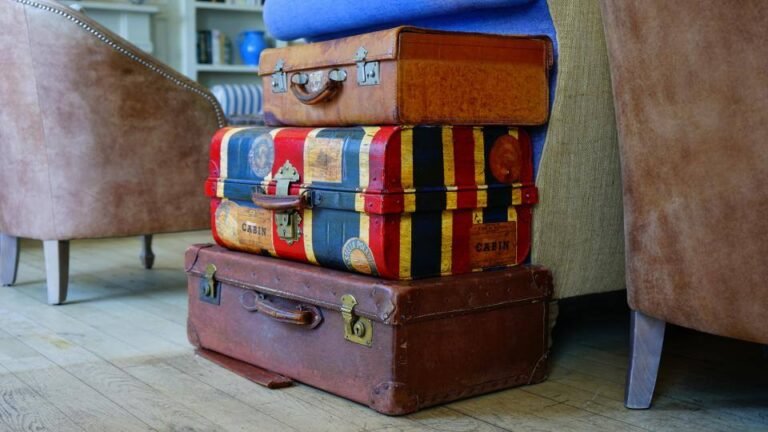
    Suitcases, from a Europe packing list guide
    Choose one bag you can carry comfortably.

    Packing for Different Seasons

    Summer

    Light breathable clothes, sun hat, sunscreen and a refillable bottle.

    Shoulder Season

    Layers, a light waterproof and a warm mid-layer.

    Winter

    Warm coat, hat, gloves and waterproof shoes.

    What Not to Pack

    • Too many shoes
    • Full-size toiletries
    • Valuables you don’t need
    • Heavy guidebooks: use offline maps instead
    • Clothes for every possible occasion

    Europe Packing List Checklist

    • Passport or ID and copies
    • Bank cards and a little cash
    • Phone, charger and adapter
    • Comfortable shoes
    • Light rain jacket
    • Hostel kit
    • Refillable water bottle

    Liquids and Security

    Airport security rules for liquids in hand luggage vary and can change. Pack toiletries in small containers inside a clear bag, and check the rules for the airports you’ll use before you fly.

    Packing light saves money on flights and makes every journey easier. Read our guides to cheap flights in Europe and cheap ways to travel around Europe.

    Europe Packing List by Trip Type

    TripFocus on
    City breakComfortable shoes, day bag, one smart outfit
    Backpacking routeQuick-dry clothes, hostel kit, laundry bag
    Winter tripWarm layers, waterproof shoes, hat and gloves
    Beach and islandsSwimwear, sun protection, sandals

    Packing Tips for Hostels and Trains

    • Use packing cubes to find things quickly in dorms
    • Keep valuables in a small bag you can carry on board
    • Pack a light scarf or layer for cold trains and buses
    • Carry snacks and a refillable bottle for long journeys
    • Label your bag in case it gets mixed up

    A smart Europe packing list saves money, time and stress on every leg of your trip.

    Doing Laundry on the Road

    Packing light only works if you can wash clothes easily. Many hostels have washing machines or laundry services, and self-service laundrettes are common in European cities. A small bottle of travel wash lets you rinse essentials in a sink, and quick-dry fabrics are ready by morning. Plan a laundry stop about once a week and you’ll never need to pack more than a week’s worth of clothes.

    Europe Packing List FAQ

    Can I travel Europe with just a carry-on?

    Yes. Many budget travellers do, especially with laundry stops along the way.

    What shoes should I bring?

    One pair of comfortable walking shoes, plus sandals or flip-flops for warm weather and hostels.

    Do I need a plug adapter?

    Most of mainland Europe uses the same two-pin plugs, but the UK and Ireland use a different type. A universal adapter covers both.
    Find Cheap Flights

    How to find low fares and avoid extra fees.

    Read the flights guide

  • Eastern Europe on a Budget: The Complete Guide

    Eastern Europe on a Budget: The Complete Guide

    Travelling Eastern Europe on a budget is one of the best-value trips you can take. Medieval old towns, mountain scenery, lively food scenes and thousands of years of history, often for much less than you’d spend further west.

    This guide covers where to go, how to get around, where to stay and how to keep daily costs low.

    Why Eastern Europe Is Great Value

    • Everyday costs for food, transport and beds are often lower than in Western Europe
    • Cities are compact and walkable
    • Buses and trains link many capitals
    • Fewer crowds in many places outside peak season

    Best Cities for Eastern Europe on a Budget

    CityCost levelDon’t miss
    SofiaVery lowVitosha mountain day trip
    BucharestVery lowGrand boulevards and parks
    BelgradeVery lowFortress views over two rivers
    KrakowLowOld Town and Kazimierz
    BudapestLowThermal baths and river walks
    RigaLowArt nouveau streets
    VilniusLowBaroque old town
    PragueLow to mediumCharles Bridge at sunrise

    Cost levels are a general comparison, not exact prices. Always check current costs before you book.

    A Sample Two-Week Route

    1. Days 1 to 3: Prague
    2. Days 4 to 6: Krakow
    3. Days 7 to 9: Budapest
    4. Days 10 to 12: Belgrade
    5. Days 13 to 14: Sofia

    Buses and trains connect each stop. See our full budget itineraries for more route ideas.

    Food market, a cheap way to eat when travelling Eastern Europe on a budget
    Markets are perfect for cheap, fresh meals.

    Getting Around

    Long-distance buses are usually the cheapest option between cities, with trains on many main routes. Night trains and buses can save on accommodation. Compare options in our transport guide.

    Money and Currencies

    Several countries in Eastern Europe use their own currencies rather than the euro. Check which currency each country uses before you go, use a card with low foreign transaction fees and withdraw from bank ATMs rather than street exchange booths. Always choose to pay in the local currency when a card machine asks.

    Where to Stay

    Hostels

    Social, central and often excellent value.

    Guesthouses

    Quiet, local and great in smaller towns.

    Apartments

    Good for groups who want to cook.

    Eating Well for Less

    • Try daily lunch menus at local restaurants
    • Look for bakeries and street food stalls
    • Shop at markets for picnic supplies
    • Ask locals for their favourite cheap spots

    Before You Go

    Entry rules can differ between countries, especially outside the EU. Check the official EU entry requirements page (EES / ETIAS) and your government’s travel advice, such as the UK foreign travel advice, for every country on your route.

    Safety Tips

    Many Eastern European cities are popular with visitors and feel safe. As anywhere, watch for pickpockets in crowded areas, use official taxis or ride apps and keep copies of your documents.

    Best Time to Visit

    Late spring and early autumn are ideal for Eastern Europe on a budget: pleasant weather, lower accommodation prices and fewer tour groups than midsummer. Winter is cold but often very cheap, with festive markets in many cities in December. Summer brings long days and outdoor life, but book beds early in popular cities.

    Cheap Day Trips

    • Mountain hikes near Sofia
    • Salt mines and countryside near Krakow
    • Riverside towns on the Danube Bend near Budapest
    • Seaside towns along the Baltic coast near Riga
    • Castles and villages within an hour of most capitals

    Regional buses and trains make day trips easy and cheap, adding variety to Eastern Europe on a budget without extra hotel costs.

    Eastern Europe on a Budget FAQ

    What is the cheapest country in Eastern Europe?

    Countries in the Balkans, such as Bulgaria, Serbia and Albania, are often among the most affordable. Costs vary by city and season.

    How long should I spend in Eastern Europe?

    Two weeks is enough for four or five cities at a relaxed pace.

    Is Eastern Europe good for first-time travellers?

    Yes. Good transport, friendly hostels and lower costs make it a great first trip.

    See the Cheapest Places in Europe

    Compare 12 budget-friendly cities side by side.

    Open the destination guide